This journal cover image generator turns the central finding of your research paper into a single, cover-worthy piece of art. Paste your abstract, and the AI distills one hero concept—a molecule, a mechanism, a model organism—then renders it at 300 DPI, sized and bled for the journal you're submitting to. Built for the scientist competing to win the front cover, not for novels or textbooks.
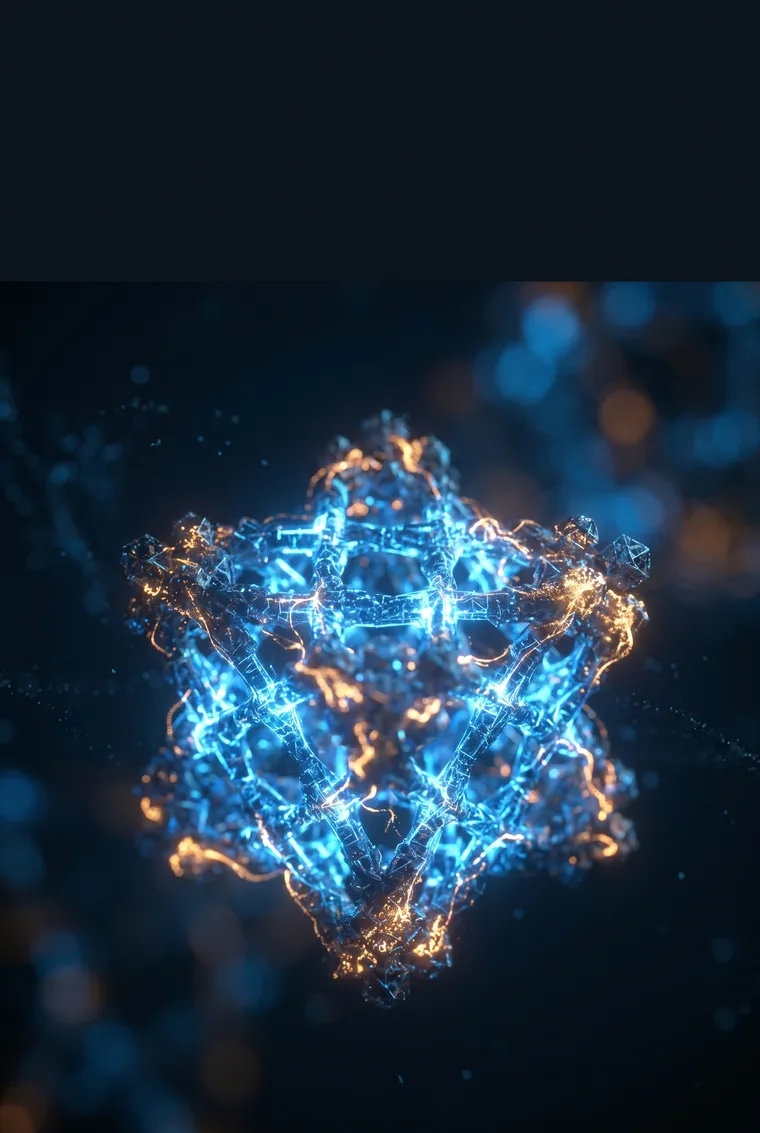 Example
Your generated cover will appear here.
A journal cover is a competitive submission—authors of accepted papers pitch artwork to the editorial office, and the editors pick one issue's worth of winners. It is not a paperback jacket, and it is not your figure. If you need the inside-the-paper summary figure instead, use our . This journal cover image generator makes the large-format hero image that competes for the front of the issue.
Cover art generated across fields — your science distilled into one striking hero image.
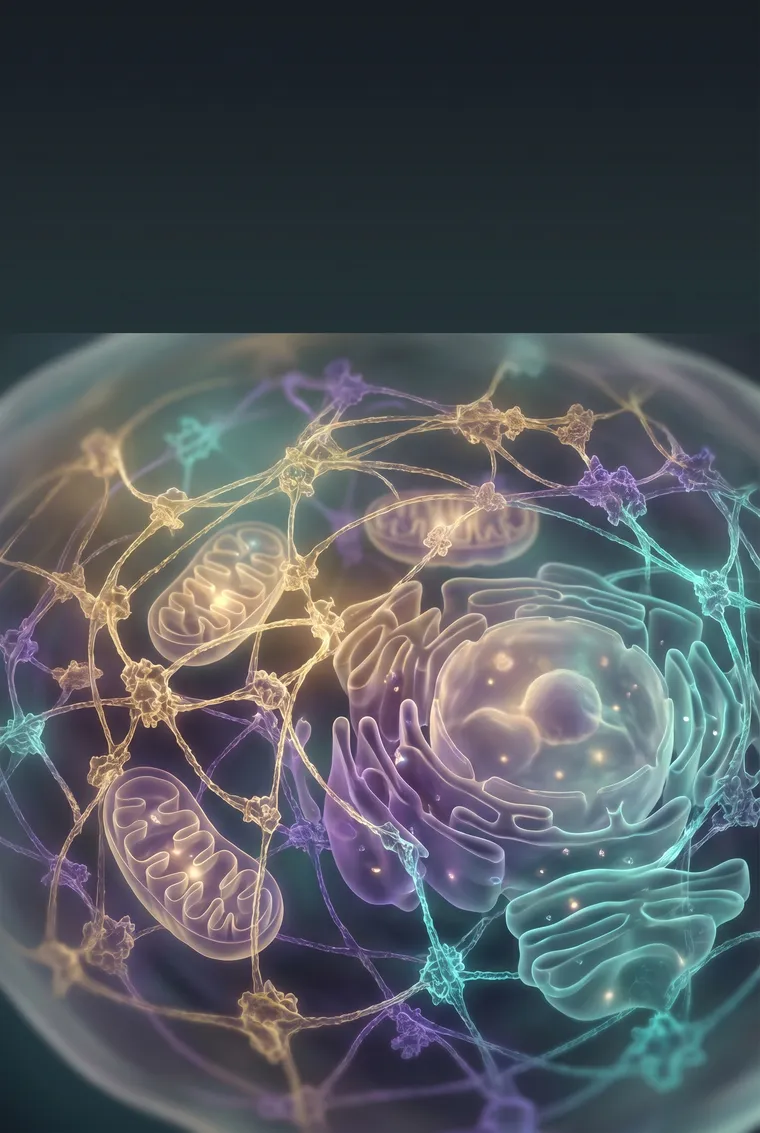
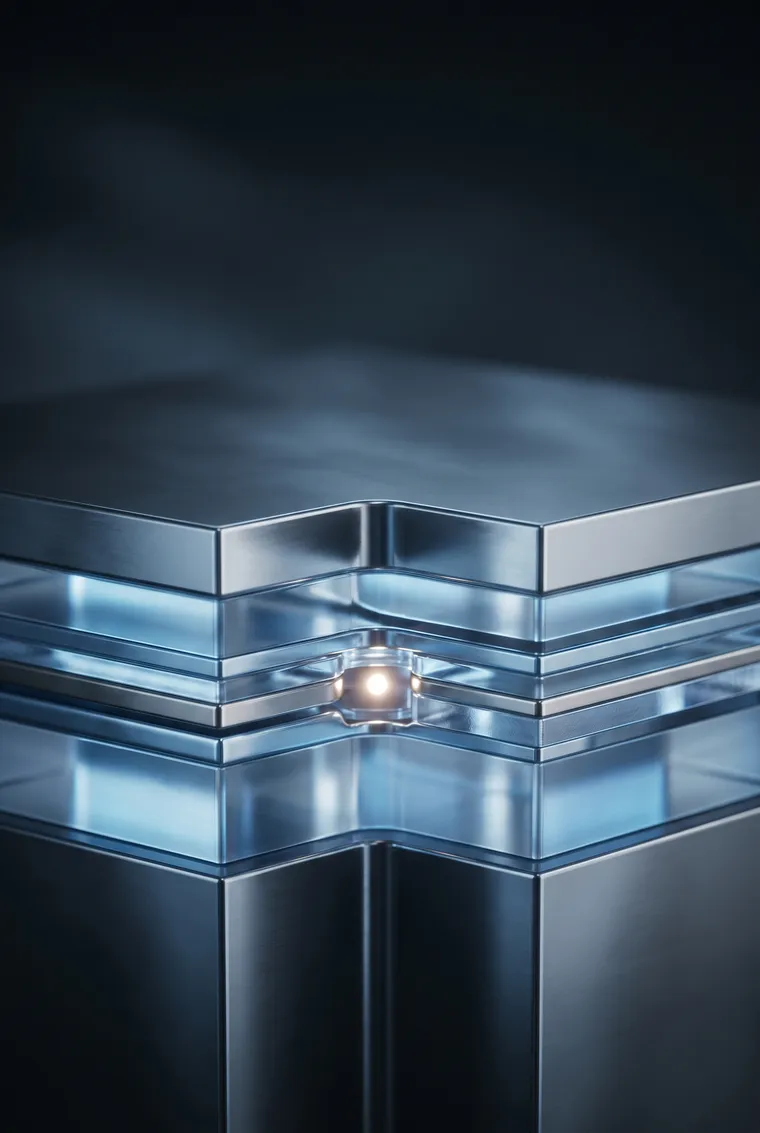
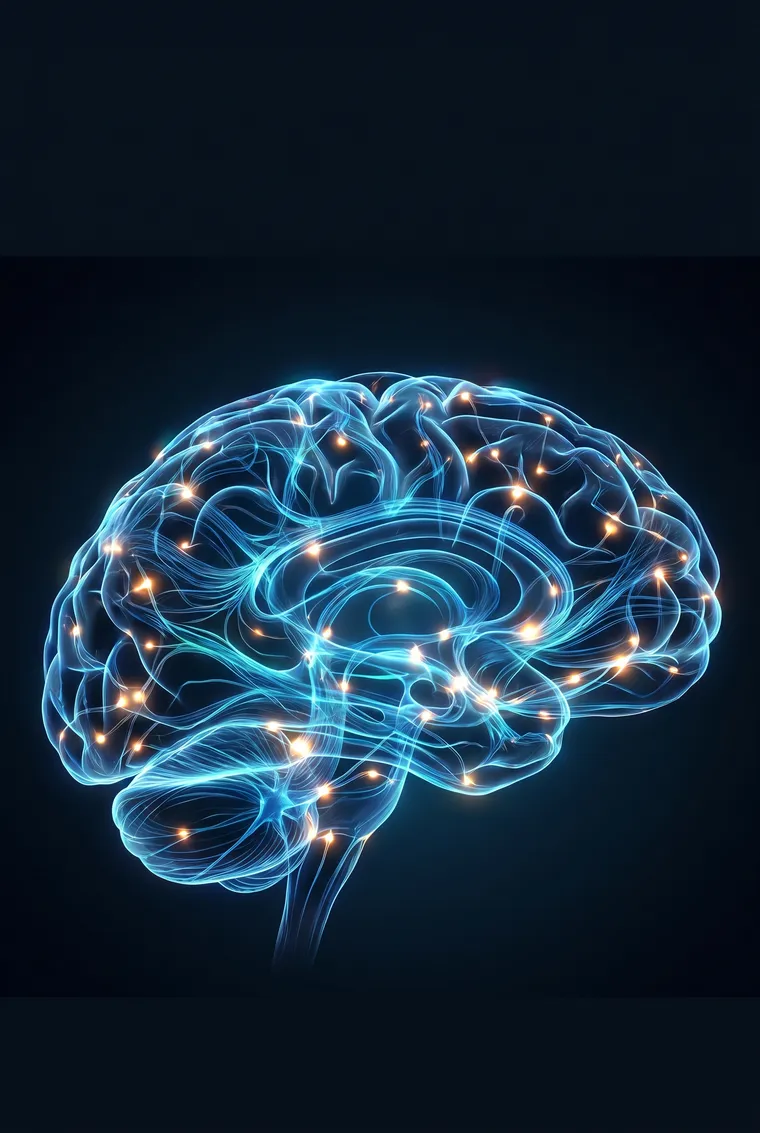
Three steps with this journal cover image generator: from your accepted paper to a print-ready cover candidate.
Drop in your abstract, or bring a finished graphical abstract. The AI reads the science—your system, method, and headline result—instead of asking you to describe a picture you can't yet see.
Editors reject busy, multi-panel covers. The model selects a single cover-worthy idea grounded in your abstract—one striking visual metaphor—and proposes a composition that reads from across a room.
Pick a preset—Nature, ACS Nano, JACS, PNAS—or set custom dimensions. The cover renders at 300 DPI with bleed and the masthead zone kept clear, exported as a print-ready file you can iterate on freely.
Trim, resolution, color, bleed, and AI policy differ at every journal — and most specs are only sent to authors after acceptance. This is the reference we build presets from; confirm against your acceptance letter before final submission.
| Journal | Trim size | Pixels @300dpi | Color | Bleed | Formats | AI-cover policy |
|---|---|---|---|---|---|---|
| Nature | 21.3 × 28.5 cm (portrait) | 2516 × 3366 | Not specified | 3 mm | PSD, TIFF, JPEG, PNG | Banned |
| Science | 21.0 × 26.6 cm (portrait) | 2476 × 3137 | RGB | — | TIFF, JPEG, PNG | Banned (editor permission only) |
| Cell | 22.9 × 29.2 cm submit (portrait) | 2700 × 3450 | Not specified | — | TIFF, PSD (max 100 MB) | Banned (research-integral exception) |
| ACS Nano |
Every export from this journal cover maker is engineered for the press, not the web—so the file you download is the file a production editor can actually drop into the issue.
Covers print at full bleed across an A4-scale page. Output is rasterized at 300 DPI so fine detail—text on a beaker, the texture of a cell membrane—holds up under offset printing instead of going soft.
Most publishers now request RGB for cover art and convert to CMYK in-house. Output ships in RGB so deep blues and fluorescent greens survive the handoff, with a heads-up where a journal still demands CMYK.
Not submitting to a preset journal? Enter the exact trim, in centimeters or pixels, straight from your acceptance letter. Portrait, square, or the circular crop Angewandte Chemie expects—all supported.
Commissioned scientific cover art is the traditional route—slow, expensive, and only as good as the illustrator's grasp of your field. An AI journal cover maker collapses that wait into minutes.
Honest answers on AI cover art, journal policy, and what this tool does
Paste your abstract and let this journal cover image generator distill one cover-worthy concept, rendered print-ready at your journal's exact size. Pitch the editors your best shot at the front cover.
| 20.8 × 21.0 cm (square) |
| 2456 × 2480 |
| RGB |
| — |
| TIFF, JPEG, PNG, EPS |
| Unclear |
| JACS | 20.8 × 25.4 cm (portrait) | 2457 × 3000 | RGB | — | TIFF, JPEG, PNG, EPS | Allowed with disclosure |
|---|
| Advanced Materials | 17.8 × 23.3 cm (portrait)* | 2102 × 2752 | RGB accepted | 4 mm | TIFF, PSD, JPEG, EPS | Banned |
|---|
| Angewandte Chemie | 16.5 cm circle | 1949 × 1949 | CMYK | — | TIFF, JPEG, PSD, AI | Banned |
|---|
| Chemical Science | A4 21.0 × 29.7 cm (estimate)** | 2480 × 3508 | Not specified | — | TIFF, EPS, JPEG | Allowed with conditions |
|---|
| PNAS | 21.6 × 27.9 cm (portrait) | 2550 × 3300 | RGB | — | EPS, TIFF | Banned |
|---|
One click loads Nature's 2516 × 3366, ACS Nano's near-square 2456 × 2480, JACS, PNAS, and more—each with the right aspect ratio and bleed already applied, so you never guess the canvas.
Every issue stamps its logo and volume banner across the top of the cover. The AI keeps that zone visually quiet—no faces, no critical detail under the masthead—so your concept survives the editor's overlay.
Download a high-resolution image sized, bled, and color-set for submission. Pair it with the journal's required format—TIFF, PSD, or EPS—and it's ready to attach to the cover-art pitch.